Beyond Photos: Creating Digital Legacies That Last Generations
What You Will Learn
- The crucial difference between passive digital storage and the intentional, active creation of a digital legacy to connect with future generations.
- Inspiring real-world examples of how families are using video letters, story time recordings, and digital memory palaces to preserve their history.
- Modern tools that can preserve your legacy, including QR codes for physical memorials and advanced voice preservation technology.
- Practical strategies for effective digital storytelling, organizing your memories for discovery, and overcoming challenges like changing technology and privacy concerns.
- Estimated Reading Time: 5 – 7 minutes
Beyond Photos: Creating Digital Legacies That Last Generations
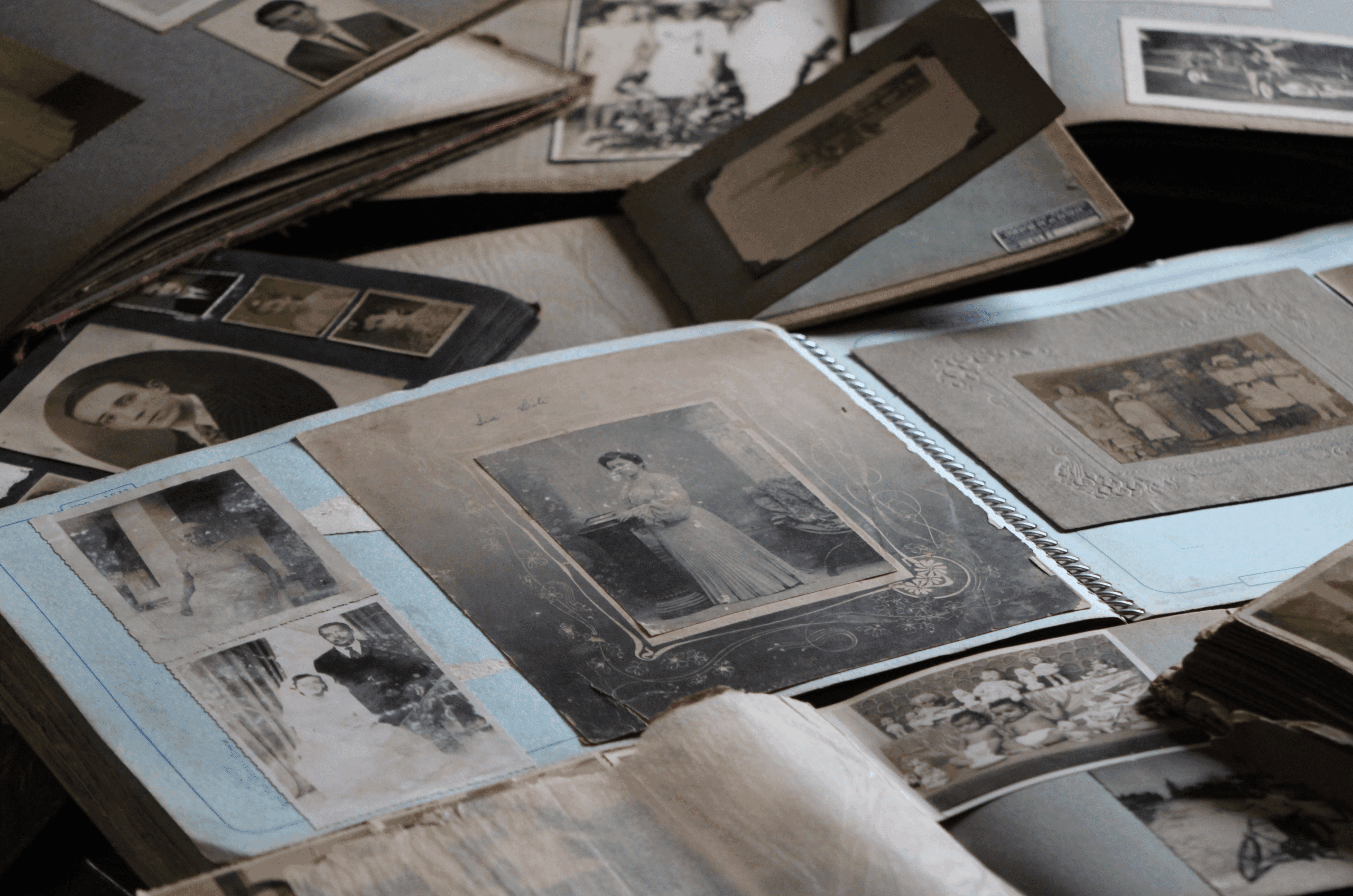
Your grandmother probably left behind photo albums filled with memories, handwritten letters, and maybe a diary or two. Beautiful, tangible pieces of her life that you can hold in your hands. But what will you leave behind? Thousands of digital photos buried in cloud storage? Text messages that disappear? Social media posts that platforms might delete? The digital age has given us incredible tools to preserve and share our lives, but it’s also created new challenges for legacy preservation. How do you ensure that your voice, your stories, and your wisdom survive not just for your children, but for great-grandchildren who haven’t been born yet? The answer lies in moving beyond passive digital storage to active digital legacy creation—using technology intentionally to build lasting, meaningful connections across generations.The Digital Legacy Revolution
We’re living through the first generation that will leave behind primarily digital traces of our lives. Our photos live in phones and clouds, our thoughts exist as social media posts, our voices are captured in video calls and voice messages. Yet most of this digital life will vanish without intentional preservation. The Disappearing Digital World Consider this: that beautiful video of your child’s first steps might be stored on three different devices and two cloud services, but none of your grandchildren will know it exists. Your Facebook profile, filled with a decade of family updates, has no guarantee of surviving the next platform change. Even that hard drive full of family photos could become unreadable as technology evolves. Digital legacy isn’t just about storage—it’s about creating intentional, lasting connections that transcend technology changes and platform limitations.Real Families, Real Digital Legacies
Sarah’s Video Letters When Sarah from Toronto was diagnosed with cancer at 45, she started creating what she called “video letters” for her two young daughters. But these weren’t just goodbye messages—they were life guidance videos for specific future moments. “I recorded advice for their first heartbreaks, graduation days, wedding preparations, and even becoming mothers themselves,” Sarah explains. “I wanted them to hear my voice during important moments throughout their lives.” Sarah organized these videos by age and occasion, creating a digital presence that could offer comfort and guidance for decades. Two years later, cancer-free, she continues adding to the collection. “Now it’s not about death—it’s about being present for every important moment, even when I can’t physically be there.” Robert’s Living History Project Robert, 72, from Calgary, started what his grandchildren call “Grandpa’s Story Time” during COVID lockdowns. Every week, he records 10-minute videos sharing stories from his life, family history, and lessons he’s learned. “I realized my grandkids knew almost nothing about my childhood, my parents, or how our family ended up in Canada,” Robert says. “These videos are like a time machine—they can visit my childhood anytime they want.” The collection now includes over 100 videos covering everything from Robert’s immigration story to his first job, his courtship with their grandmother, and his philosophy on handling life’s challenges. The videos are organized by topic and stored in multiple formats to ensure long-term accessibility. Lisa’s Digital Memory Palace Lisa, a working mother from Vancouver, created what she calls a “digital memory palace” for her family. It’s a private website that combines photos, videos, voice recordings, and written stories to create a comprehensive family archive. “Every family vacation, every birthday, every ordinary Tuesday—I capture not just photos but the stories behind them,” Lisa explains. “Why we chose that restaurant, what the kids were excited about, what we learned from that trip.” The website includes sections for each family member, important family traditions, and even a “wisdom wall” where Lisa records life lessons and advice as she learns them. “I want my children to have access to our family’s complete story, not just the highlights.”Modern Tools for Digital Legacy Creation
QR Codes: Bridging Physical and Digital One of the most innovative developments in digital legacy preservation involves QR codes that connect physical memorials to digital stories. Imagine visiting a cemetery and scanning a code on a headstone to watch videos of that person’s life, hear their voice, or read stories from family members. “We placed a QR code on my father’s headstone that links to a memorial website with his photos, videos, and stories from family members,” shares Jennifer from Ottawa. “Now when we visit, new family members can learn about him, and we can add new memories anytime.” Voice Preservation Technology New technologies can now capture and preserve voices in ways that seemed impossible just years ago. Families are creating voice libraries—collections of recordings that capture not just words, but the unique way their loved ones spoke. “I recorded my mom reading her favorite poems, telling family stories, and even just chatting about her day,” explains Michael from Edmonton. “Now my children can hear their grandmother’s voice anytime, and future grandchildren will know exactly how she sounded.” Interactive Family Trees Modern digital family trees go far beyond names and dates. They can include photos, videos, voice recordings, and detailed stories about each family member, creating rich, multimedia histories that bring ancestors to life. Time-Release Digital Messages Some families are creating digital messages designed to be delivered at specific future dates—graduation messages that arrive when children turn 18, anniversary messages for future wedding days, or encouragement videos for challenging life transitions.The Art of Digital Storytelling
Making Videos That Last Creating meaningful digital legacies requires more than just hitting record. The most powerful legacy videos combine personal stories with broader context, helping future generations understand not just what happened, but why it mattered. Effective Approaches:- Start with context: “This is 2024, and I want to tell you about a time when…”
- Include sensory details: “The house always smelled like your great-grandmother’s bread…”
- Explain decisions: “We chose to move to Canada because…”
- Share emotions: “I was scared, but I learned that…”
- Connect to values: “This taught me that family always comes first…”
- Chronological collections (by year or life stage)
- Topic-based archives (family history, life lessons, favorite memories)
- Relationship-focused content (stories about marriage, parenting, friendships)
- Event documentation (holidays, vacations, milestones)
- Dates and locations for all content
- Names and relationships of people in photos and videos
- Historical context for events and decisions
- Explanations of family traditions and their significance
Overcoming Digital Legacy Challenges
Technology Changes The biggest challenge in digital legacy creation is ensuring long-term accessibility as technology evolves. DVDs become obsolete, file formats change, and platforms disappear.
Solutions:
- Store content in multiple formats
- Use open, standard file types when possible
- Create physical backups alongside digital storage
- Review and migrate content regularly
- Include clear instructions for accessing content
Privacy and Security Digital legacies must balance preservation with privacy protection, especially when including personal stories and family information.
Best Practices:
- Use privacy-focused platforms for sensitive content
- Create different access levels for different family members
- Include clear guidelines about what can be shared publicly
- Consider legal frameworks for digital asset management
Family Coordination The most successful digital legacies involve multiple family members as contributors and caretakers.
Strategies:
- Designate digital legacy managers for different types of content
- Create shared guidelines for what to include and how to organize
- Establish regular family “digital preservation” sessions
- Train multiple family members on how to access and maintain archives
The Emotional Impact of Digital Legacies
Healing Through Creation Many families find that creating digital legacies becomes a healing process, helping them process grief, celebrate relationships, and strengthen family bonds.
“Working on my father’s digital memorial helped us all grieve together,” shares Patricia from Halifax. “Instead of just being sad about losing him, we were actively celebrating his life and ensuring his stories would survive.”
Connecting Across Distance Digital legacies can maintain family connections across geographical distances and generational gaps.
“My children in Toronto can experience bedtime stories from their grandparents in Newfoundland anytime they want,” explains David. “Technology has made it possible for family relationships to transcend physical distance.”
Building Family Identity Comprehensive digital legacies help families understand their identity, values, and history in ways that traditional photo albums never could.
Integration with End-of-Life Planning
Digital legacy creation works best when integrated with comprehensive end-of-life planning. When families take time to preserve digital stories and memories, their funeral services and celebrations of life become richer and more meaningful.
Enhanced Memorial Services Digital legacies provide abundant material for creating personalized memorial services. Instead of struggling to find photos or remember stories, families have rich archives of content that truly captures their loved one’s personality and impact.
Ongoing Comfort for Grieving Families Unlike traditional memorials that families visit occasionally, digital legacies provide ongoing comfort and connection. Grieving family members can access voices, stories, and memories whenever they need comfort or guidance.
Seamless Legacy Preservation When digital legacies are created before they’re needed, families avoid the painful scramble to piece together someone’s life story from scattered digital fragments. The work is done lovingly and intentionally while relationships are strong and memories are clear.
At Kinship, we understand that honoring a life extends far beyond funeral arrangements. Digital legacies complement preplanned funeral services by ensuring that the stories, wisdom, and personality that made each person unique are preserved and accessible for generations.
Starting Your Digital Legacy Today
The best time to start creating your digital legacy is now, while you have time to be thoughtful and intentional about what you want to preserve and share.
Begin with Purpose Ask yourself: What do I want future generations to know about me? What stories matter most? What wisdom have I learned that could help others? What aspects of our family life deserve to be remembered?
Start Small You don’t need to create a comprehensive archive overnight. Begin with one story, one video, or one collection of photos with detailed captions. Build gradually and consistently.
Involve Your Family The most meaningful digital legacies are created collaboratively. Ask family members what stories they want preserved, what questions they have about family history, and what aspects of your life they find most valuable.
Plan for Longevity Consider how your digital legacy will be maintained and accessed over time. Include instructions for family members, choose sustainable storage solutions, and create systems that can evolve with technology.
The Future of Remembrance
We’re pioneering new ways of preserving and sharing human stories. The digital legacies we create today will give future generations unprecedented access to the voices, personalities, and wisdom of their ancestors.
Your great-great-grandchildren may not remember your name, but they could hear your voice, learn from your experiences, and understand your values if you take action today to preserve them digitally.
The technology exists. The need is real. The only question is whether you’ll use these tools intentionally to create lasting connections with generations you’ll never meet but can still influence and inspire.
Ready to start creating your digital legacy? The tools and technologies available today make it possible to preserve your voice, stories, and wisdom for generations. When combined with comprehensive end-of-life planning, digital legacy creation ensures that every aspect of your life—from your practical arrangements to your personal stories—is preserved and honored.